Mold Removal Alpine, CA · 24/7 Service
Mold Removal in Alpine, CA That Fixes the Source, Not Just the Surface
Mold removal in Alpine, CA by a licensed contractor with 27 years of experience. 24/7 emergency response, EPA-compliant disposal. Call for an accurate estimate.
- 4.2 · 27 Google Reviews
- Licensed & Insured
- 24/7 Emergency Response
- Serving El Cajon & SD County
Locally Owned · Licensed · Insured
Trusted Restoration & Plumbing in Mold Removal Alpine
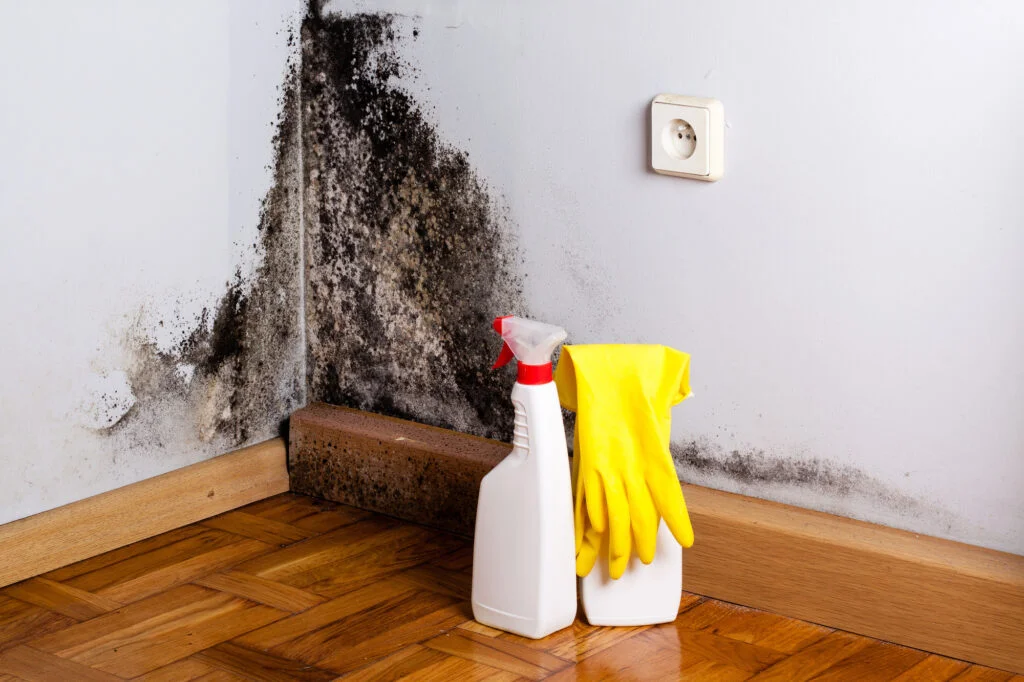
Mold removal in Alpine, CA is not a weekend project and it's not something to hand off to the cheapest quote you can find online. Hidden colonies behind drywall, inside HVAC cavities, and beneath flooring can go undetected for months, releasing mycotoxins into the air your family breathes every day. Olympia Services has spent 27 years handling exactly this kind of work across San Diego County, and we carry California Contractor Lic. 1044933 so you know who you're dealing with before we set foot in your home. If you're seeing discoloration on walls, smelling something musty after a rain, or just had a water damage event and want to know whether mold followed, call us at (619) 734-1889 and we'll tell you straight what you're looking at.
Alpine sits at roughly 1,800 feet in elevation, catching moisture off winter storm systems that push inland from the coast, then drying out fast once the weather clears. That cycle of wet and dry is hard on older construction, and a lot of Alpine's established neighborhoods, particularly those with homes built in the 1970s and 1980s, have attic ventilation and crawl space designs that weren't built to handle it. We know the building stock out here. From the hillside properties near Tavern Road to the lower-elevation neighborhoods closer to I-8, Olympia Services responds to Alpine calls the same day in most cases, and we're available 24/7 including holidays when an emergency doesn't wait for Monday morning.
Olympia Services
Why Alpine's Climate Makes Mold a Year-Round Concern
Most people think of mold as a coastal or Pacific Northwest problem. Honestly, that assumption causes real harm to Alpine homeowners who let a small moisture issue sit because they don't think conditions are right for growth. Alpine's semi-arid climate does dry out, but when it rains, water comes off the surrounding hills fast. Crawl spaces fill up. Roof penetrations that seemed fine for years suddenly aren't. Condensation forms on cold masonry walls when interior humidity spikes. Mold doesn't need a swamp. It needs 24 to 48 hours of elevated moisture, an organic surface like drywall or wood framing, and minimal airflow. Alpine properties check all three boxes after a good winter storm. If your home is on a slope and you've had any foundation seepage or under-floor moisture, get it looked at before it becomes a remediation project.
Olympia Services
What Makes Alpine Homes Different: Elevation, Well Water, and Crawl Spaces
Three things about Alpine's building stock and geography drive most of the mold we find, and none of them show up in a generic contractor's checklist.
- First, the oak-woodland setting and higher elevation mean big daily humidity swings. Warm afternoons off the surrounding hillsides give way to cold, damp nights under the oak canopy, and that daily cycle drives condensation into attics, north-facing walls, and any wall cavity that runs cold. It's a slow, repeating soak that a single dry afternoon never fully reverses.
- Second, well-water and slab moisture go together out here. Many established Alpine properties draw from a private well, and older slab-on-grade foundations poured without a modern vapor barrier wick ground moisture straight up into flooring and baseplates. You get damp carpet tack strips and buckling laminate with no visible leak overhead, because the water is coming from underneath.
- Third, the ranch homes. Alpine has a deep stock of single-story ranch houses from the 1960s through the 1980s built over vented crawl spaces. Those crawl spaces trap groundwater during the wet season, the original vapor barriers are usually torn or gone, and the limited airflow keeps the subfloor damp for weeks after the last rain. That is the single most common hidden mold location we open up in this community.
Damage doesn't wait. Neither do we.
Talk to a licensed technician now and get a fast, no-pressure estimate.
How Olympia Services Removes Mold in Alpine Properties
Our process follows a proven sequence built around one goal: spore counts at post-remediation testing must come back within safe limits, or we keep working. No shortcuts.
-
Inspection and Detection
We start with moisture meters, infrared imaging, and air quality monitors to map the full extent of growth, visible and hidden. A lot of what we find in Alpine homes is behind drywall in bathrooms and laundry rooms, or inside wall cavities adjacent to plumbing runs.
-
Containment Setup
Before anything gets disturbed, we seal off affected areas with plastic sheeting and run HEPA-filtered air scrubbers under negative air pressure. Spores spread by air movement, and we stop that from happening the moment we open a wall.
-
Removal of Contaminated Materials
Depending on severity, this means cutting out drywall sections, pulling flooring, or opening wall cavities. Every material we remove leaves the property in sealed bags and gets disposed of in compliance with EPA and California state guidelines.
-
HEPA Vacuuming and Antimicrobial Treatment
Industrial-grade HEPA vacuums pull residual spores from structural surfaces. We follow that with antimicrobial agents applied to framing, subfloor, and any remaining materials to prevent regrowth before reconstruction begins.
-
Dry-Out and Dehumidification
Mold comes back if the moisture source isn't eliminated. Commercial-grade dehumidifiers and high-powered fans run until moisture readings in the structural materials drop to acceptable levels. Skipping this step is why some remediation jobs fail within a year.
-
Post-Remediation Testing
We conduct air clearance and surface testing after cleanup. If spore levels aren't back within safe limits, we keep going. That's the standard we hold ourselves to on every Alpine job, and it's the only standard that actually protects your family.
Olympia Services
What Mold Actually Does to Your Health and Your Home's Structure
The health side gets most of the attention, and it should. Common household molds produce allergens, and certain species produce mycotoxins, substances linked to respiratory illness, chronic sinus congestion, skin irritation, and neurological symptoms in prolonged exposures. Children, elderly residents, and anyone with asthma or a compromised immune system take the worst of it. But the structural side is just as serious and it hits your wallet directly. Mold feeding on wood framing breaks down the cellulose in the material over time. A rim joist that looks fine from a distance can be structurally compromised under the surface. Alpine homes with any history of roof leaks or crawl space moisture issues are worth getting assessed, especially before you sell or after any storm damage event. Catching it early means the difference between a contained remediation job and a full structural repair.
Olympia Services
Plumbing Failures Are the Number One Mold Source We See in Alpine
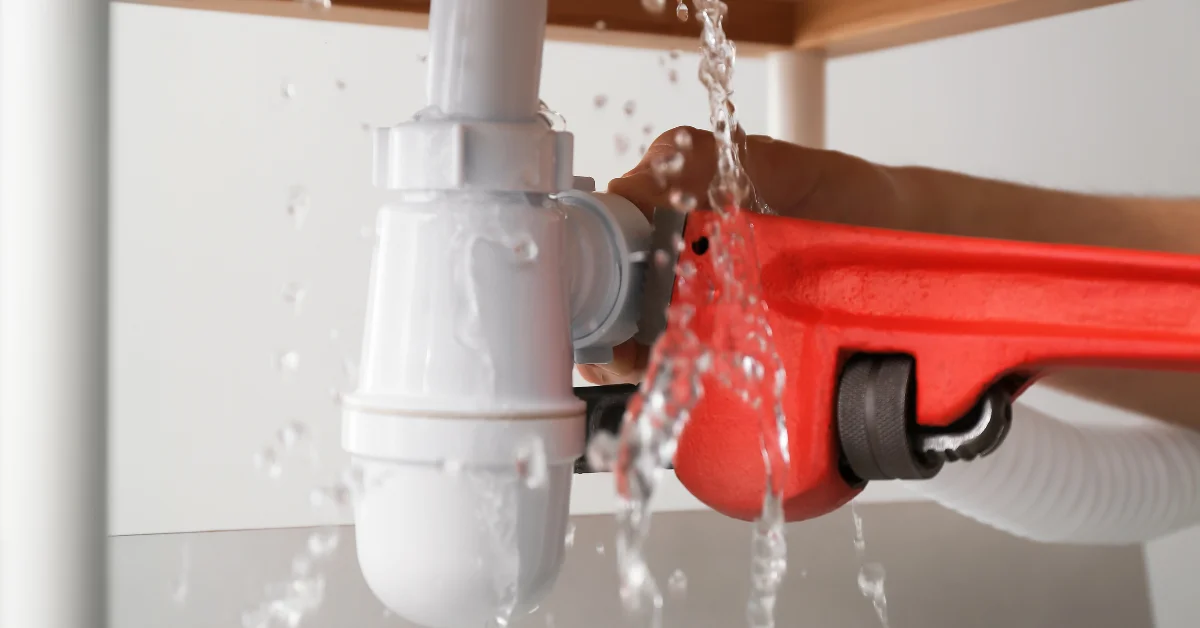
Slow leaks are sneaky. A supply line connection behind a bathroom vanity dripping at a rate you'd never notice on a water bill can saturate the cabinet floor, the wall framing behind it, and the subfloor beneath it over the course of six to twelve months. By the time there's a musty smell or visible discoloration, the colony is established and the material damage is done. We handle the mold remediation side, and because Olympia Services is also a licensed plumbing contractor, we can address the source at the same time rather than sending you to coordinate with a second company. For Alpine homeowners who've dealt with slow drain issues or an aging water heater that's been weeping condensation for years, the combination of services in one visit saves real time and money. Every job is different. Contact Olympia Services at (619) 734-1889 for an accurate estimate.
Customer Reviews
What Alpine and San Diego County Homeowners Say
We had two large, well-known San Diego plumbing companies visit several times over two weeks trying to fix our tankless water heater problem. Intermittent hot water, and two weeks is a very long time. We called Olympia Services and they solved it. I wish we had called them first.
Good to Know
Mold Removal in Alpine, CA: Common Questions
How much does mold removal cost in Alpine, CA? +
Can Alpine's dry summer climate stop mold from spreading on its own? +
How quickly can Olympia Services respond to a mold emergency in Alpine? +
My Alpine home has a crawl space. Is that a common mold location? +
Does Olympia Services handle both the mold removal and the repairs in Alpine? +
I had a roof leak. How do I know if mold followed? +
What's the difference between mold and mildew? +
How fast does mold spread in Alpine's climate? +
Get Help Fast
Alpine Mold Problem? Get a Same-Day Assessment.
Olympia Services has been handling mold removal across Alpine and San Diego County for over 27 years. We're fully insured, licensed under California Contractor Lic. 1044933, and available around the clock. Don't let a moisture issue sit through another season. Call (619) 734-1889 today.
Call (619) 651-8111- ✓ 24/7 emergency dispatch
- ✓ Licensed & insured
- ✓ Free estimates
Request a free quote
Good to Know
Frequently Asked Questions
How much does mold removal cost in Alpine, CA? +
Can Alpine's dry summer climate stop mold from spreading on its own? +
How quickly can Olympia Services respond to a mold emergency in Alpine? +
My Alpine home has a crawl space. Is that a common mold location? +
Does Olympia Services handle both the mold removal and the repairs in Alpine? +
I had a roof leak. How do I know if mold followed? +
What's the difference between mold and mildew? +
How fast does mold spread in Alpine's climate? +
24/7 Emergency Service
Restoration & plumbing you can count on, any hour of the day.
Over 27 years serving El Cajon and San Diego County. Licensed, insured, and ready when you call.